Transforming scrap into sustainable value

Integrated Marine & Scrap Recycling Solutions

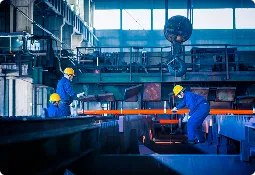
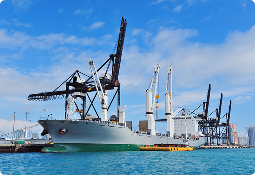
Blue Eagle Waste Management provides end‑of‑life solutions for marine vessels, shipping containers, heavy marine equipment, and high‑volume scrap metal. The team focuses on safe dismantling, maximum material recovery, and full regulatory compliance, helping asset owners unlock residual value while reducing environmental impact

At the heart of Blue Eagle Hospitality lies a deep commitment to delight and inspire. We believe hospitality should transcend expectations—offering warmth, elegance, and genuine care at every moment. Through immersive environments and attention to detail, we turn each visit into a lasting story.

Our Services

Ship Recycling & Dismantling

Container Processing

Metal Recycling

Scrap Trading

What We Handle

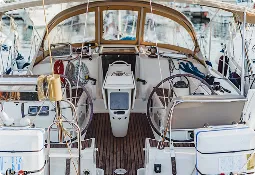
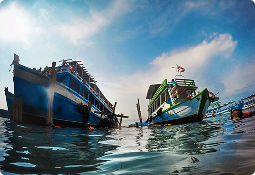
Marine Vessel Recycling Safe disassembly of ships and offshore units with controlled cutting zones, hazardous material identification, and certified downstream treatment partners. High‑value steel and non‑ferrous metals are recovered, processed, and reintroduced into the manufacturing supply chain
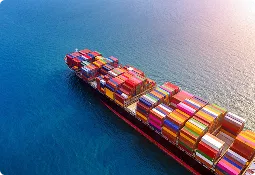
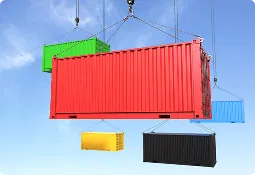
Container Recycling Purchase and recycling of end‑of‑life shipping containers, including structural steel recovery, insulation and coating removal, and responsible handling of any residual cargo contamination. Containers can be repurposed where suitable or fully processed as scrap to reduce primary steel demand.
Marine Equipment Dismantling and recycling of engines, winches, cranes, propulsion systems, and deck machinery with proper draining of oils, fuels, and coolants before metal recovery. Reusable components are separated, while obsolete assemblies are processed as scrap to maximize recovery value.​
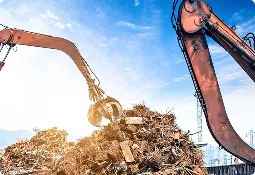
Heavy‑Duty Scrap Metal Handling of large‑format industrial scrap such as beams, plates, machinery frames, rails, and structural offcuts from shipyards, ports, and fabrication yards. Material is sorted, cut‑to‑size, and prepared for mills and foundries, reducing the need for virgin ore extraction and energy‑intensive primary production.

Environmental Responsibility

Safe dismantling practices

Controlled cutting, lifting, and staging methods, with defined work zones, fall protection, and fire prevention protocols. Asbestos, oils, fuels, refrigerants, and other hazardous substances are identified and removed under documented procedures.
Pollution prevention

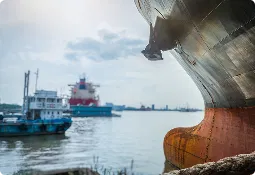
Impermeable working surfaces, spill‑containment systems, and controlled drainage prevent soil and water contamination during dismantling activities. Air emissions are minimized through dust control, hot‑work management, and adherence to relevant emission standards.

Waste minimization

Priority is given to reuse and recycling over disposal, with segregation at source and optimized cutting plans to reduce residual waste streams. Non‑recyclable fractions are routed only to licensed treatment or disposal facilities.

Regulatory compliance

Operations align with international conventions and national guidelines for ship recycling, hazardous waste handling, and maritime waste. Comprehensive documentation, manifests, and chain‑of‑custody records support audits and client ESG reporting

Material recovery rates

Processes target high metal recovery rates from hull structures, containers, and equipment, significantly reducing demand for virgin raw materials. Continuous improvement in cutting, sorting, and downstream partnerships helps increase recovery performance over time.

Environmental certifications

Facilities and partner yards work to meet or exceed recognized environmental and occupational safety standards and relevant recycling certifications. This gives owners confidence that every project is executed in line with best practices and evolving regulatory expectations.

Industries We Serve

Shipping and maritime

Port authorities

Shipyards

Industrial manufacturers

Construction companies

Scrap dealers and traders

Scroll to Top